Competition
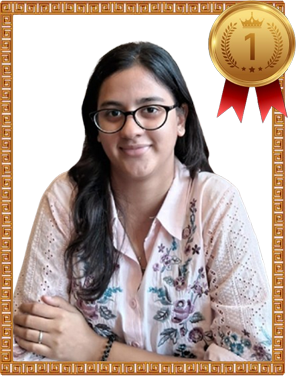
Delnaaz Dubash
1st Prize Winner
The Ethic of Giving
There is a story from my childhood that has stayed with me far longer than I expected. One evening, my parents and I were driving home and had halted at a signal. A young girl at the roadside tried to sell a toy. I wanted it, which the girl noticed. But my parents were apprehensive about buying it for me. As our car began to move, the girl suddenly threw the toy in the car and smiled as we drove away. I remember being stunned.
She had no reason to do so, as she gained nothing from it, yet she gave away the toy. She had less than we did, yet she was richer in generosity. That moment has returned to me often in adulthood, especially when I see how easily we, as Zoroastrians, admire the idea of giving but hesitate to actually do it.
We speak endlessly about our ancestors’ philanthropy, the great names engraved on plaques and buildings, but how many of us have carried that legacy forward in any meaningful way? Somewhere between pride and comfort, we’ve forgotten that generosity was meant to be practised, not memorialised.
It is said that charity begins at home and hence it is necessary for parents to instil this habit of giving, in their children from a young age. When we sit together and eat our meals, we should teach our kids to share the food with family members. Or when we visit Agiaries, parents should encourage young children to keep “Chamach na paisa” along with Sukhar for offering in Agiaries. Let them place both and understand the joy of giving. Let the kids offer “Ashodad” to our Dasturji / Mobed after a Jashan or any other religious ceremony. These small acts plant seeds of lifelong generosity. We are a community blessed with education, access, and privilege. We are few in number but immense in potential. Yet, when it comes to giving back, to our Agiaries, our trusts, our youth, or our elderly, too many of us wait for “someone else” to take the lead. The truth is uncomfortable: we have become experts at preserving the idea of generosity, not the act of it.
So here is a thought. What if we redefined what it means to give? What if generosity
wasn’t a transaction at all, but a way of living? What if every Zoroastrian made a personal pledge, not once a year, but once a month, to contribute something meaningful to the community? Let’s say, a small token amount towards the maintenance fund of an Agiary. It could also be about giving your valuable time or service, towards mentoring a student, or visiting a Parsi old-age home. The amount oesn’t matter; the consistency, time, and effort that matters. We could also reimagine giving as part of our celebrations. What if every Navjote, wedding, or birthday came with an act of community giving, where families donate a percentage of their celebration costs to a shared cause? Let the child make this donation, so that giving becomes something they experience and are not just a witness to the act. When generosity becomes woven into our happiest moments, every Parsi child will grow up knowing it as a natural part of life. Our youth carry within them the promise of tomorrow. Their “Khushali na” moments can become powerful reminders of who we are as a community. From passing board exams, graduating from college, to winning a competition, every milestone can include a gesture of generosity. When the 18th birthday arrives, let it mark not only adulthood, but a conscious step towards responsibility. When the first salary or a well-earned promotion comes, let that personal success helps someone else rise.
Young people seek purpose, recognition, and a sense of belonging. Let us make giving a source of genuine pride. A thank-you letter from a trust, a mention in community newsletters, an acknowledgement during Baug gatherings or community events, are small efforts that create meaningful impact. They show our youth that generosity is valued and visible, not hidden in silence.
It is time to stop waiting for inspiration and start being it. The girl who threw that toy into my car wasn’t rich, but she understood something profound: generosity is not about what you have, but about what you decide to share. If she could give with nothing to spare, what excuses do we have, with all our opportunities and privileges.
We are the inheritors of a faith that values Humata, Hukhta, and Huvarshta. Let’s stop admiring the past and start working towards the future. Let us be the generation that doesn’t just talk about generosity, but lives it.
Give because you can. Give because it matters. Give because that is who we are. ZOROASTRIANS